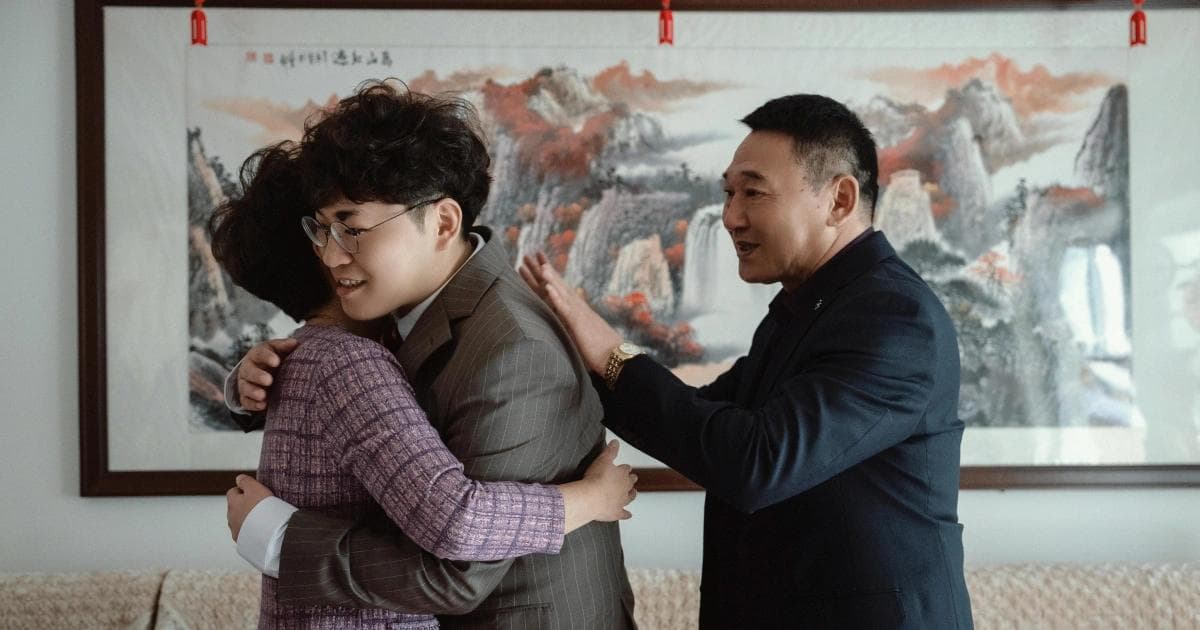
The wedding budget conversation with your parents is often the most difficult and the most postponed conversation of the entire engagement. Many couples put it off for months, sometimes into the final fortnight of planning. The shape of the conversation varies by family, but the discomfort is almost universal. This piece is for couples who know they need to have it and are not quite sure how to start.
Why the conversation matters
Three things change once the conversation is on the table.
The first is that the budget stops being abstract. Roughly fifty thousand becomes who pays which fifty thousand, and the planning suddenly has concrete edges.
The second is that the family's wishes become visible. Parents who are contributing financially almost always have associated expectations. The number of tables. The choice of hotel. The inclusion of certain elders, ceremonies, or pastries. These are easier to absorb when surfaced early and far harder to negotiate when they emerge in the final fortnight.
The third is that you, as a couple, find out what you actually agree on between yourselves. The budget conversation with parents tends to force a parallel conversation between the two of you that you may have been postponing without noticing.
The three common scenarios
Most Singapore couples fall into one of three patterns.
Parents are paying for some or all of the wedding. The most explicitly transactional version. The parents have offered, the couple has accepted, and the question now is what that contribution buys in terms of decision-making. The clearer this is upfront, the calmer the planning.
Parents are not paying but expect specific traditions. No financial contribution, but a strong view on the guest list, the gate crash, the tea ceremony, the type of hotel. The conversation here is about reconciling cost with expectation. The couple is paying for choices the parents are influencing.
Parents are at a polite distance but quietly observing. No financial contribution and no overt expectations, but every choice will be commented on at some point. The conversation here is the lightest of the three, but still worth having explicitly to set the tone.
Most couples will find their family in one of these patterns, sometimes a blend of two. The structure of the conversation differs for each.
How to start the conversation
A few approaches we have heard work well.
- Pick the parent first who is easier to talk to. One of the four parents involved is almost always more direct than the others. Have a preview conversation with them. Use what you learn to shape the bigger conversation later.
- Choose a neutral venue. Not the kitchen of your parents' home. A restaurant or a quiet café gives the conversation a contained space and a natural end.
- Open with what you have already decided as a couple. We are thinking of a banquet for around 200 guests, at a mid-range hotel, with a budget of roughly fifty thousand. We wanted to talk to you about how that fits with what you were imagining. This frames the conversation as already in motion. It is easier for parents to react to a draft than to start from a blank page.
- Bring a rough budget on paper. Not detailed. The big lines: banquet, photographer, gowns, car, and the rest. A piece of paper between you and your parents gives everyone something to look at when the conversation gets emotional.
What to bring to the conversation
A short list.
- A rough budget total and the three or four biggest line items. Round numbers. Do not over-prepare. The conversation is about the shape, not the spreadsheet. Our earlier piece on what a Singapore wedding actually costs is a useful reference for what those numbers look like in 2026.
- The two or three things that matter most to you both. We care most about a good photographer, a hotel that means something to us, and a small bridal party. Naming these early lets parents understand where the lines are.
- An open mind on the things that do not matter as much. Identify your willing to flex lines in advance. Door gifts, decor, guest list size. Knowing these makes it easier to give ground gracefully when parents raise something they care about.
- A clear sense of who in your couple will speak first. A pre-decided opening prevents the awkward pause when you sit down.
What to leave unsaid in the first conversation
Three things that often derail an otherwise fine first conversation.
- Your private opinion of a specific family member. Don't invite Uncle Henry, he ruined the last family wedding. This conversation is for the shape of the budget. The specific guest list is a separate conversation, later.
- Your assessment of your parents' contributions to past family weddings. You spent a lot more on my sister's wedding than you are offering me. Even if true, the budget conversation cannot survive this. Take it up separately if it matters.
- A precise division of who pays what, on the first sit-down. Open the door to the conversation. Let the specifics emerge over a few rounds. Pushing for a precise number on the first conversation rarely lands well.
Wedding car is one of the smaller lines to settle
Our packages start at $280, all-inclusive of petrol, parking, and ERP. One line of the budget you can settle quickly and move on from.
See our pricingWhen the conversation goes sideways
Sometimes it does. Common patterns and gentle responses.
- A parent reacts emotionally to a number. Pause. Acknowledge the reaction. Do not defend the number on the spot. I can see this is more than you were imagining. We don't need to settle anything today. Let's take a few days and come back to it. The pause is often the most useful tool in the room.
- One set of parents wants more than the other can offer. This is rarely about money. It is about how each family expresses care. A separate conversation between the two sets of parents, away from the couple, sometimes resolves what the couple cannot.
- The conversation reveals a disagreement between you and your partner. This is worth pausing the parent conversation to address directly. The couple needs to be aligned before continuing.
The goal of the first conversation is not to settle the budget. It is to make the budget speakable. Most families need two or three conversations before things land.
Closing
Wedding budget conversations with parents are not unique to couples in trouble. Almost every Singapore couple we drive has had at least one difficult version of this conversation in the planning months. The ones who do it early, in person, with a rough number on paper between them, tend to look back on the planning as smoother. The ones who postpone it find that the conversation arrives anyway, usually in the final fortnight, when there is no room left to absorb it.
Have it sooner. Have it gently. Bring a piece of paper. The conversation will outlast the wedding, and the version your parents remember years from now will be the one you had at a calm restaurant with tea between you.