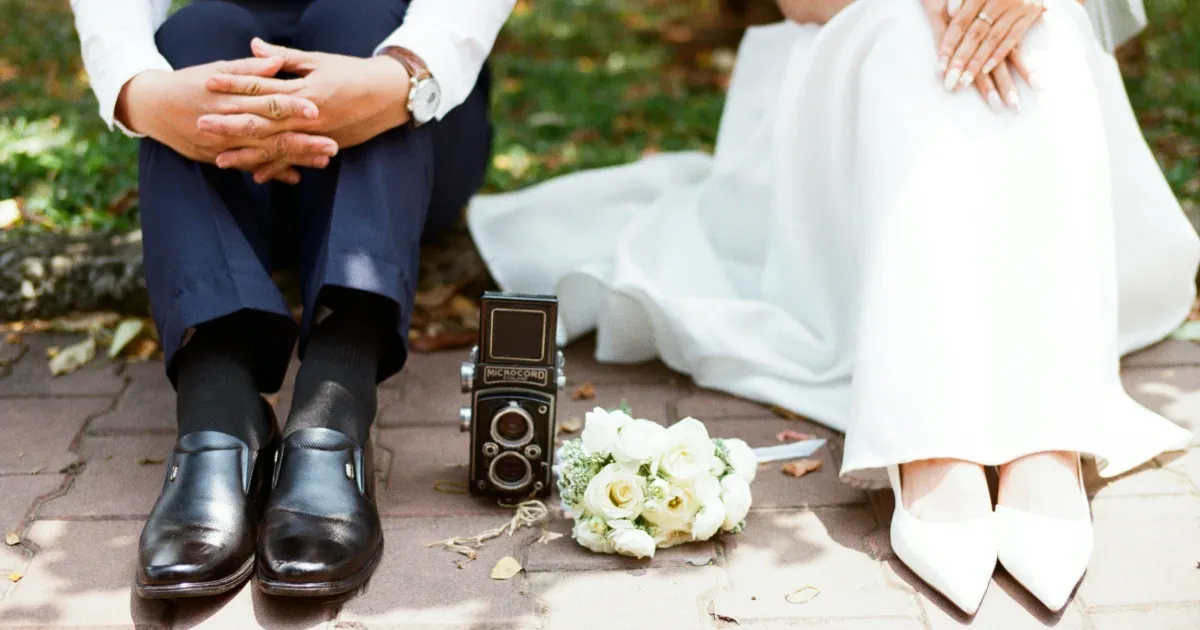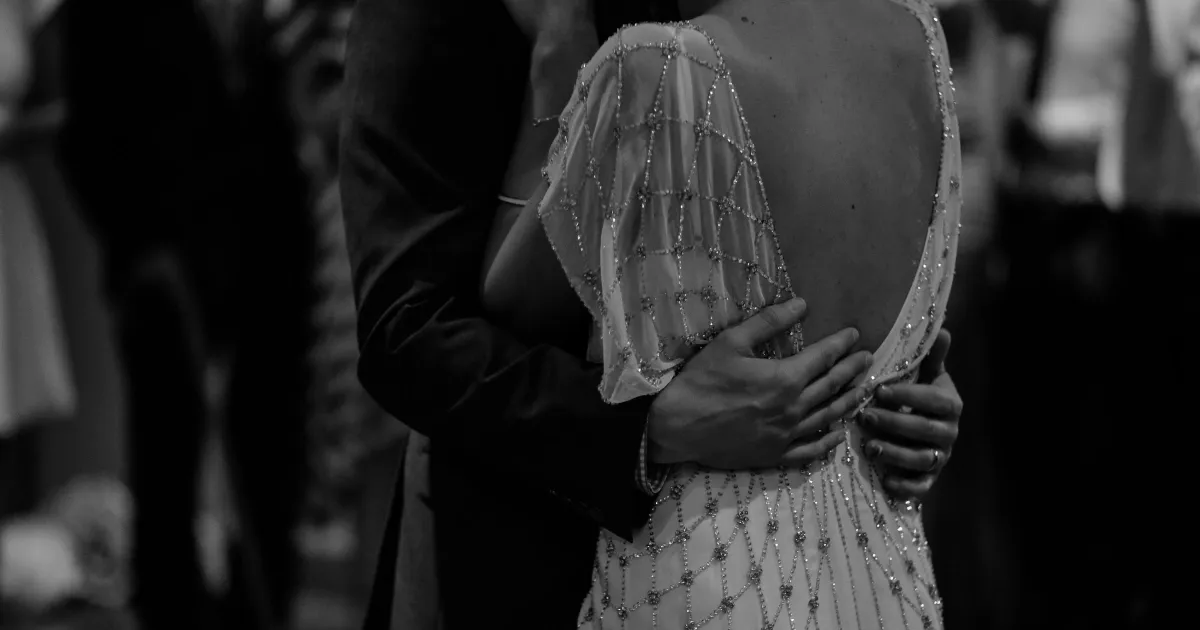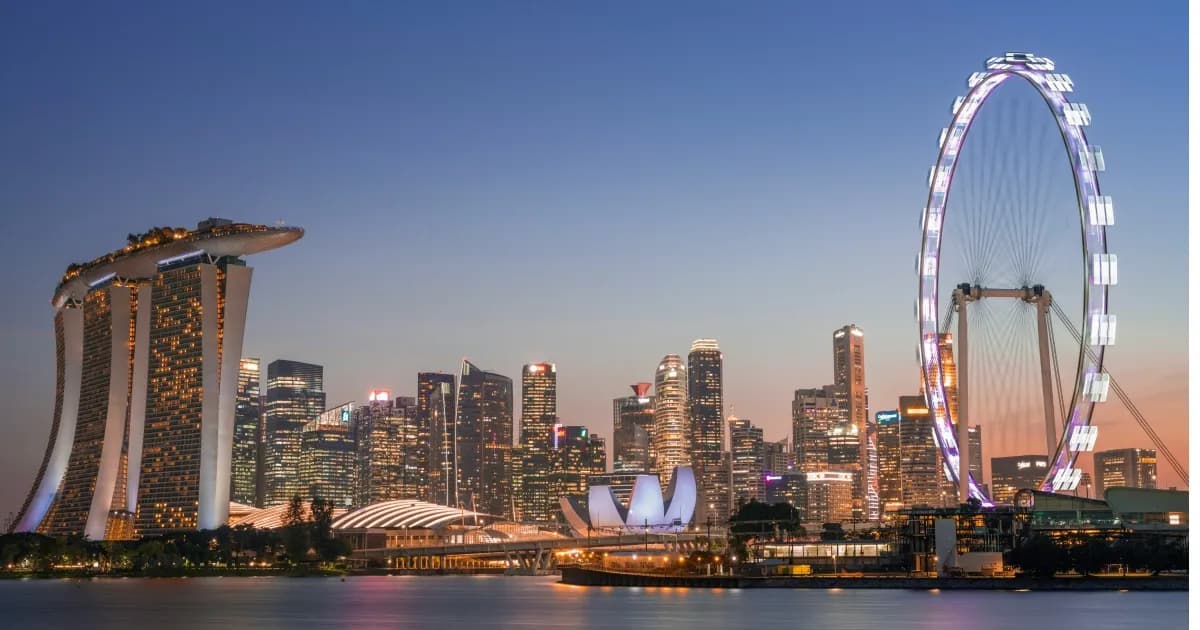
The Singapore wedding industry has, for most of the past two decades, been built around one default. A banquet for two to three hundred guests, at a hotel, with a full programme. That default is no longer the only one. A growing number of couples are choosing civil weddings instead, often with a small lunch reception, sometimes with no reception at all. The trend is real, and it is reshaping how vendors price, how venues plan, and how families think about what a wedding looks like.
This piece is the broader view. For couples already decided on a smaller day, our piece on the quietly beautiful ROM and the companion 90-day timeline cover the practicalities.
What counts as a civil wedding
A civil wedding, broadly, is one that centres on the legal solemnisation by ROM or a licensed solemniser, with no large banquet attached. The shape varies.
- ROM-only with no reception of any kind.
- ROM at the registry plus a small lunch for immediate family.
- A solemnisation at an external venue (garden, restaurant, heritage building) plus a small lunch reception.
- A solemnisation followed by an intimate evening dinner for twenty to forty guests.
What unites these versions is the absence of a hotel banquet at three hundred guests. Everything else varies. Some are deeply formal, with all the trimmings of a larger wedding compressed into a smaller frame. Others are deliberately casual.
What is driving the shift
A few patterns we have noticed and that other vendors in the wedding industry have commented on publicly.
- The cost of a Singapore wedding has crept up faster than incomes. A hotel banquet that cost $35,000 in 2018 now lands closer to $50,000 for a comparable package. Younger couples saving for a BTO or a resale flat are doing the maths.
- Couples are marrying slightly later. Average age at marriage in Singapore has crept upward steadily. Older couples are often more confident in choosing the day they want rather than the day expected of them.
- The pandemic years normalised the smaller wedding. Couples who married between 2020 and 2022 had to plan smaller out of necessity, and many reported afterwards that they preferred the intimacy. That experience has rippled outward.
- Family pressure has softened in some circles. Singapore parents, particularly in their fifties and sixties, have seen enough smaller weddings now that the cultural expectation of a banquet has loosened. Not gone — but loosened.
- Couples value the day's quality over the day's scale. A growing number of couples we hear from describe a smaller wedding as the more meaningful version, not the lesser version.
What is changing in the market
A few shifts on the vendor side.
- Restaurants are quietly building small-wedding packages. Many private dining rooms in central Singapore now offer packages explicitly designed for fifteen to forty-guest weddings. These did not exist as published packages five years ago.
- Photographers are pricing shorter coverage windows. Three to four hour ROM-and-lunch packages have become a standard tier.
- Bridal studios are offering rental-only or simplified packages. A bride who would have rented a banquet gown can now book a single gown plus MUA without committing to a full studio package.
- ROM appointment slots are harder to book. The most popular Saturday afternoon slots fill three to four months in advance, which was rare a few years ago.
- Wedding cars (our category) have seen smaller-package demand grow. Our four-hour package now accounts for a significant share of bookings, where five years ago the six-hour and eight-hour packages dominated.
The industry is adapting because the demand is real and growing.
What it does not mean
A few honest caveats. The trend is real but the banquet is not dying.
- Hotel banquets still dominate the market. Most Singapore weddings are still hotel banquets for two hundred-plus guests. The civil-wedding trend is growing from a small base.
- Civil weddings are not always cheaper. A small wedding done thoughtfully can still cost $15,000 to $25,000 once the photography, the venue, the gown, and the lunch are added.
- The smaller scale is not the same as casual. Civil weddings are often more carefully styled than larger ones, simply because every guest's experience is more visible.
- The trend is uneven across cultural groups. It is more visible in some communities and slower in others. Family expectations vary widely, and the trend will continue to develop unevenly.
What it might mean if you are deciding
For couples weighing the smaller path, a few honest considerations.
- Talk to the parents early. A civil wedding is harder to walk back once it has been announced to family. Have the conversation about whether the smaller scale will sit well with both sets of parents, before the venue is booked.
- Test the guest list against the smaller size. A 200-guest cut down to 30 is harder than it sounds. Decide whether you can hold the cut without the long-tail of family politics.
- Know what you are saving the money for. Couples who consciously redirect the saved budget — toward the honeymoon, the first year of the flat, a deposit cushion — tend to be most at peace with the smaller wedding.
- Decide on the photography level. A civil wedding with strong photography is often the strongest version. Cutting the photographer to save further can sometimes leave couples wishing afterwards they had spent there.
Our smaller packages were built for this
Our four-hour package was designed for civil-style weddings. Morning pickup, the ceremony, photos, drop-off. Nothing more than you need.
See our pricingClosing
The civil wedding trend in Singapore is not a rejection of the banquet. It is a widening of what counts as a wedding. Couples who choose the smaller path are not opting out of tradition. They are choosing the parts of the tradition that matter most to them and letting the rest go quietly. The industry is adapting to meet them. The cultural acceptance is growing year on year. For couples who suspect a smaller day might be right for them, this is the moment to take that suspicion seriously. The path is much more travelled now than it was even five years ago.